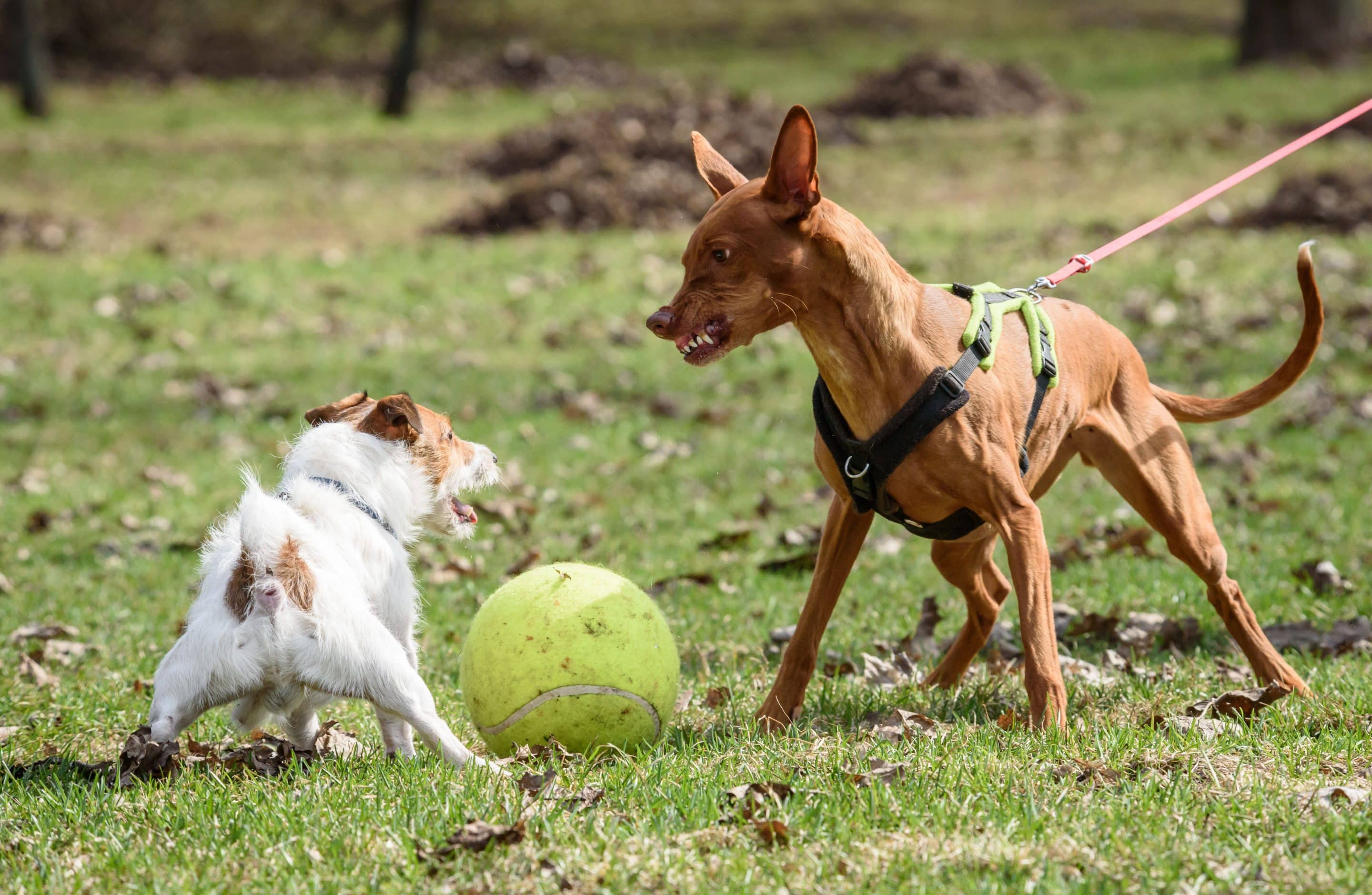
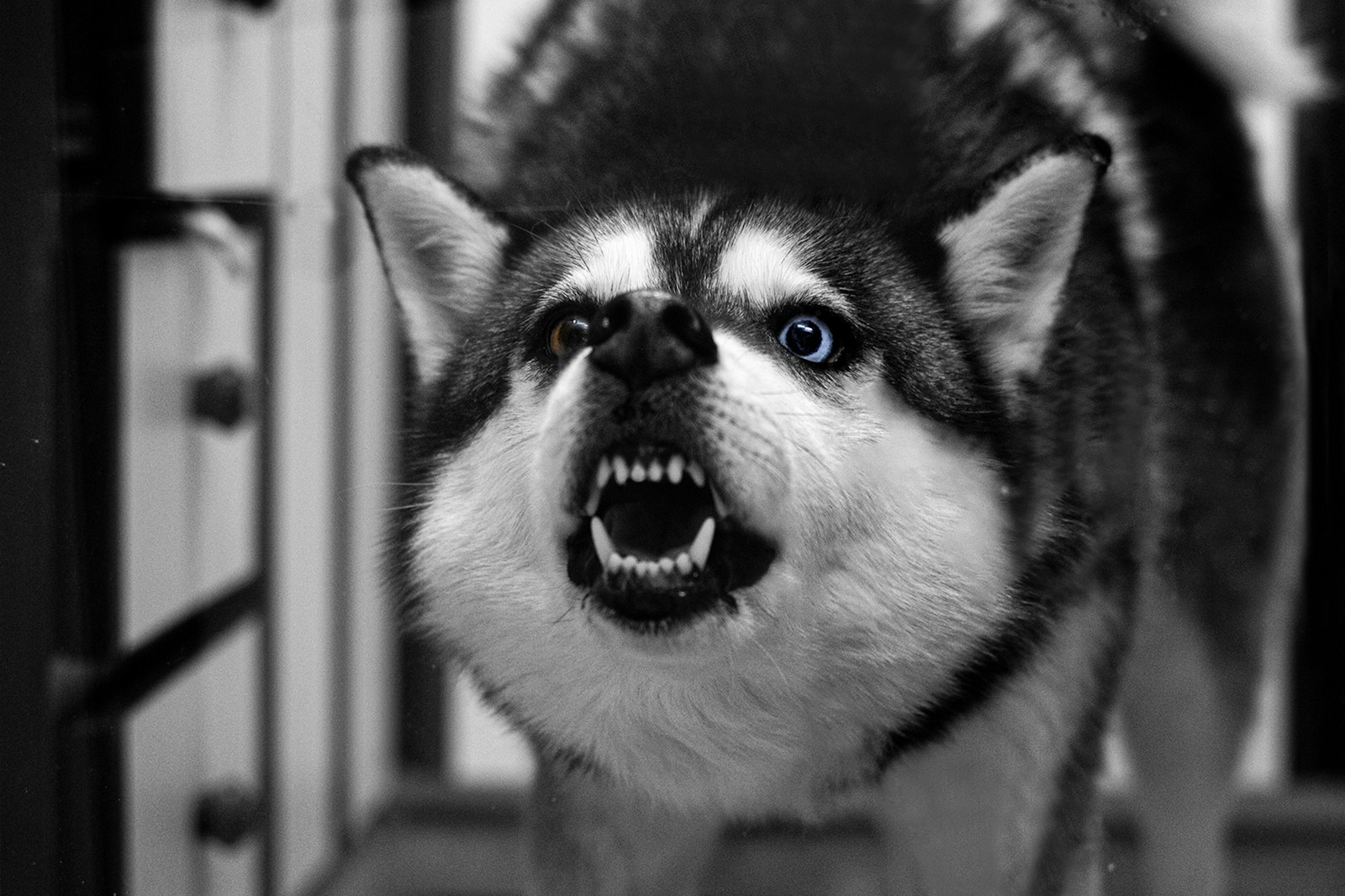
If your normally calm dog has started barking, lunging, or snapping at other dogs, people, or noises, you’re not alone. Many dog owners notice sudden reactivity, and it’s often stressful, confusing, and frustrating. The good news? Understanding why it’s happening is the first step toward change.
Here are 7 common reasons dogs become reactive — and what you can do about each:
1. Fear or Anxiety
Even confident dogs can develop sudden fears. Strange noises, new people, other dogs, or changes in the environment can trigger reactive behavior. Sometimes this is part of age-appropriate development, or it might have been triggered by a single event.
What to do:
- Move at your dog’s pace.
- Reinforce calm behavior and avoid punishment.
- Use gradual desensitization with treats and positive reinforcement, carefully timing your rewards and increasing the intensity of triggers at a pace your dog can handle.
- Remember: if your dog is in fight or flight mode, they are not in a learning state of mind.
2. Frustration or Barrier Reactivity
Some dogs bark and lunge because they want to reach something they can’t, like other dogs across a street or fence.
What to do:
- Teach “look at me” or “watch me” cues to redirect attention.
- Practice reward-based exercises at a distance before gradually closing the gap.
- Reduce frustration by teaching impulse control through unrelated games, helping your dog feel a sense of control in triggering circumstances.
3. Lack of Proper Socialization
Dogs that haven’t had enough positive experiences with other dogs, people, or environments may react when confronted unexpectedly.
What to do:
- Enroll in controlled, positive socialization classes or guided exposure sessions to build confidence safely.
4. Medical Issues
Pain or illness can suddenly make a dog more reactive. A previously chill dog might snap or growl if something hurts. Dogs tend to hide pain well — it may be an ear infection, sore tooth, or even a splinter in their paw.
What to do:
- Schedule a vet check-up to rule out discomfort or medical triggers.
- Often, once the underlying issue is resolved, your dog’s reactivity improves.
5. Overstimulation
Crowded parks, loud streets, or chaotic homes can overwhelm dogs, leading to reactive responses. Usually, subtle indicators appear before a big reaction.
What to do:
- Identify your dog’s “threshold.”
- Reduce exposure to stressors.
- Gradually build tolerance with positive experiences.
6. Learned Behavior
Dogs quickly learn that barking or lunging gets results: other dogs move away, owners panic, or they get attention. This reinforces the behavior, and practice strengthens it over time.
What to do:
- Use positive reinforcement for calm responses to triggers at a distance.
- Practice proper desensitization and counter-conditioning to gradually change your dog’s internal state.
- Teach alternative behaviors like “sit” or “watch me,” and recreate triggering circumstances in a controlled environment to reduce reactivity over time.
7. Changes in Environment or Routine
Moving, new household members, or seasonal changes can disrupt a dog’s sense of security and spark reactive behavior.
What to do:
- Provide predictable routines, structure, and confidence-building exercises.
- For sensitive dogs, consider temporary alternative arrangements during major upheavals.
The Key Takeaway
Reactivity doesn’t make your dog “bad.” It’s a communication tool: they’re telling you they’re scared, frustrated, or unsure.
Modern, science-based training focuses on:
- Building confidence
- Redirecting attention
- Counter-conditioning to change their internal state over time
- Reinforcing calm behavior
Punishing your dog for their feelings won’t resolve the underlying cause.
Need Help With Your Reactive Dog?
If your dog’s reactivity is affecting daily life, our reactive dog programs can help. From seminars and group classes to one-on-one training, we create personalized, positive plans to reduce stress, build confidence, and restore harmony for both you and your dog.
Book a Consultation or Class Today