
Dog Training Toronto with When Hounds Fly
Raise a happy, well-trained dog with our fun and effective classes!
Over 16,000 dogs (and their families!) have taken dog training classes with us.
With SIX convenient locations in Toronto, Markham, and Mississauga, we’re in your neighbourhood.
Congratulations! You’re now a dog guardian!
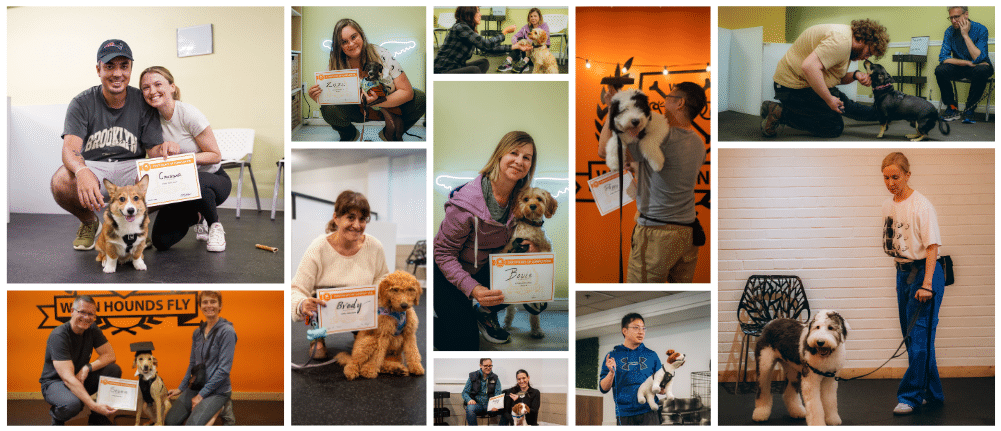
Let us help you raise a happy, well-trained dog and build a relationship with them based on trust that will endure for years to come.
Which best describes your situation?
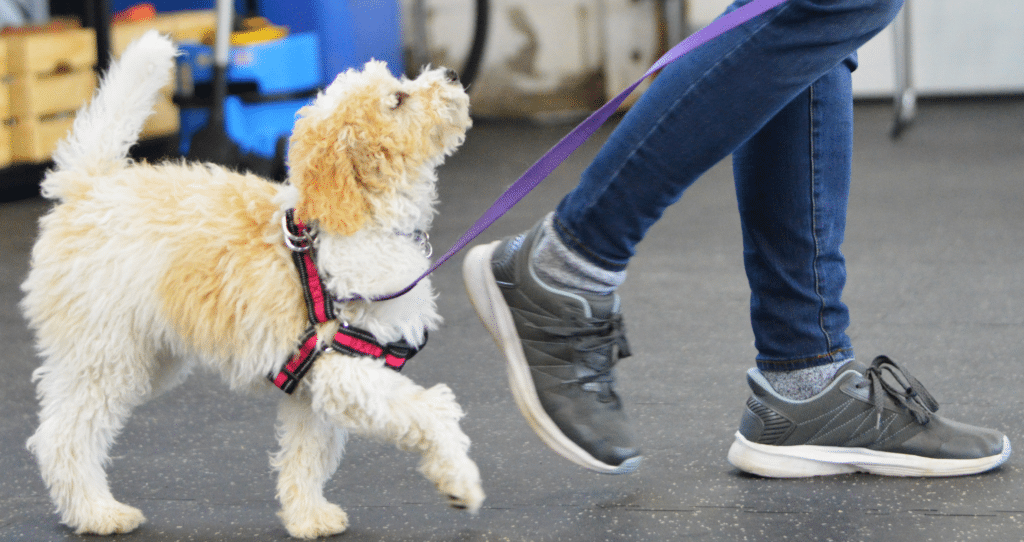
Confident, Brave, Well-Socialized Puppies Start Here
If you want a confident, brave, and social puppy that your neighbours, friends, family, and other dogs love to be around, get them started early (under 16 weeks) in Puppy Start Right!
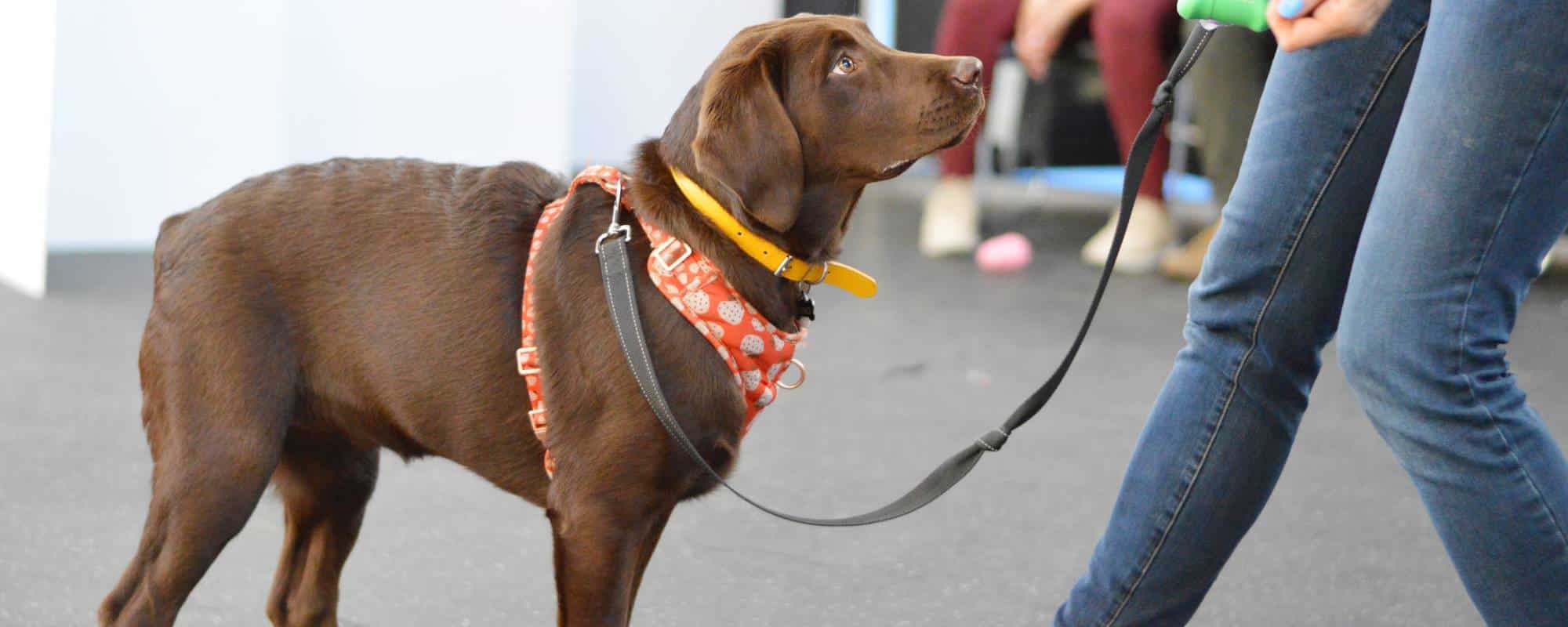
Well-Trained Dogs (and their Guardians!) Learn Foundation Skills Here
Imagine a dog that you can take anywhere, that’s a pleasure to walk, greets people and other dogs politely, and recalls when off leash. Teach your dog how in Foundation Skills.
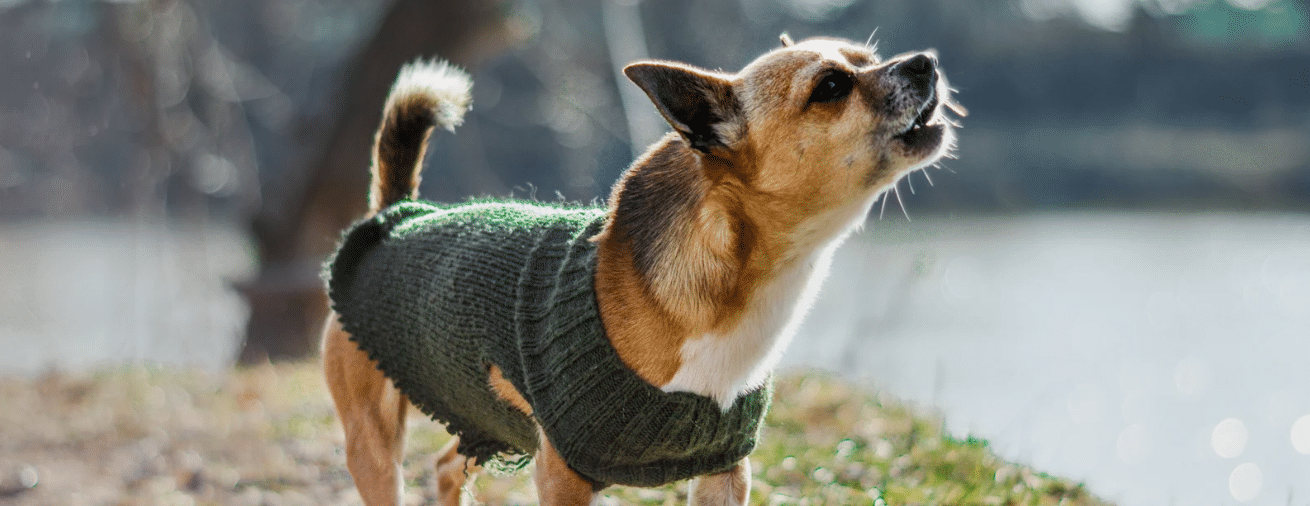
Dogs that Struggle with Fear, Anxiety or Reactivity
Fearful dogs need a confident, skilled guardian to teach them how to overcome these challenges. We’ll teach you how to become that guardian your dog deserves. As your confidence grows, so will theirs, through Private 1-on-1 Lessons.
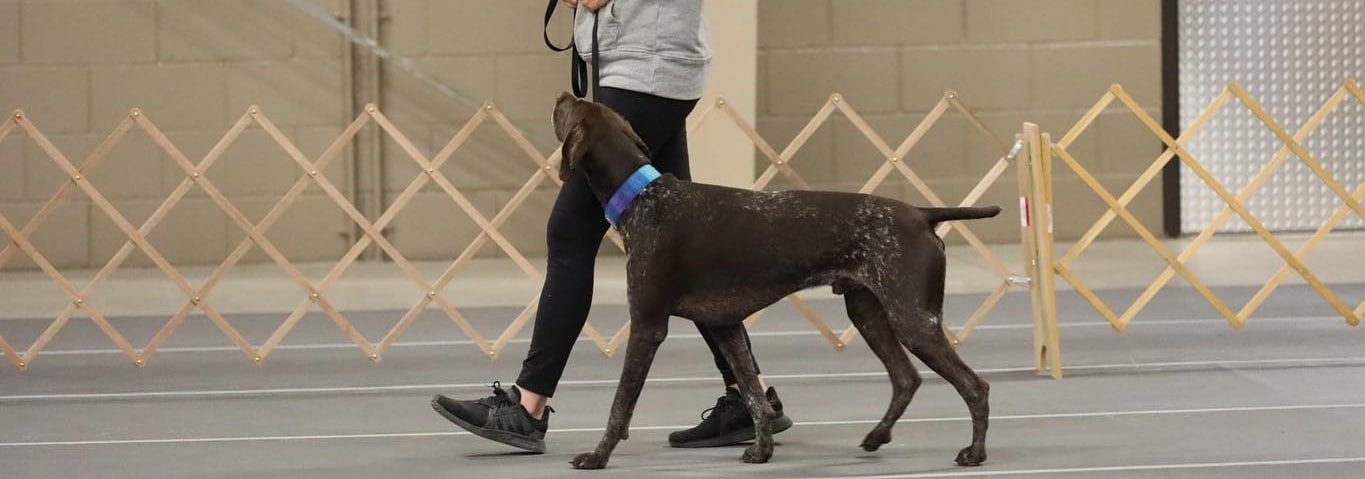
My Dog’s Situation is Different…
And you’re not quite sure what’s best. Schedule a complimentary Training Roadmap call and our team will guide you and your dog to the program best suited for your needs.
As seen on:

When Hounds Fly is proud to have the largest number of Karen Pryor Academy Certified Training Partners (KPA CTPs) and Certified Professional Dog Trainers (CPDT-KAs) on staff of any training organization in Canada.


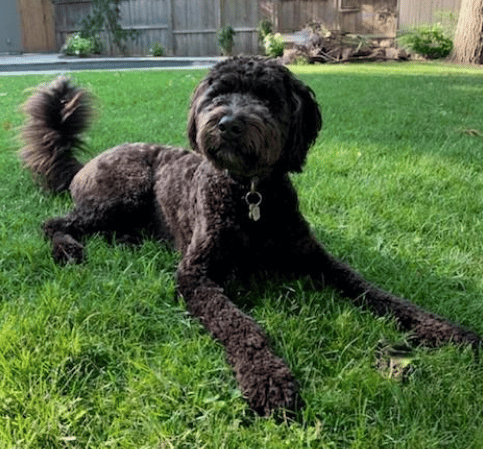
I wouldn’t have believed it if I hadn’t seen it – Jack, my Aussie Doodle, calm in a down position in the backyard while groundskeepers mowed the lawn and whirled garden debris with their deafening leaf blowers. This is the same dog, who a few weeks prior, would throw himself at the window growling and viciously barking at those same groundskeepers.”
– Anna, Phil, and Jack
You can count on us to deliver
Training You’ll Feel Good About – A Commitment to Humane, Ethical Methods
Clicker Training is the most effective way to teach behaviour, and make the learner (both human and dog!) feel supported and have a fun and enjoyable time learning. Results and speed matter, and clicker training is fast!
An Experience Both You and Your Dog Will Enjoy
Every time you train this way with your dog, they’ll light up and come to you with this look of eagerness, joy, and anticipation. Working with us means that training changes from something you do to your dog – into an activity that you and your dog can’t wait for. The connection you build with your dog through our training methods is something that you have to experience.
In Your Neighbourhood, When You Need Us
We believe every dog (and their owners) should benefit from socialization and training as part of their health and wellness. We’re in convenient locations, with classes nearly every day of the week, at convenient times. To keep you from waiting too long, our core classes are “Start Anytime”, so enrollment is on-going. For private lessons, we continue to grow our team (currently over 12 instructors) so you can see us as quickly as possible.
Some of our most helpful advice
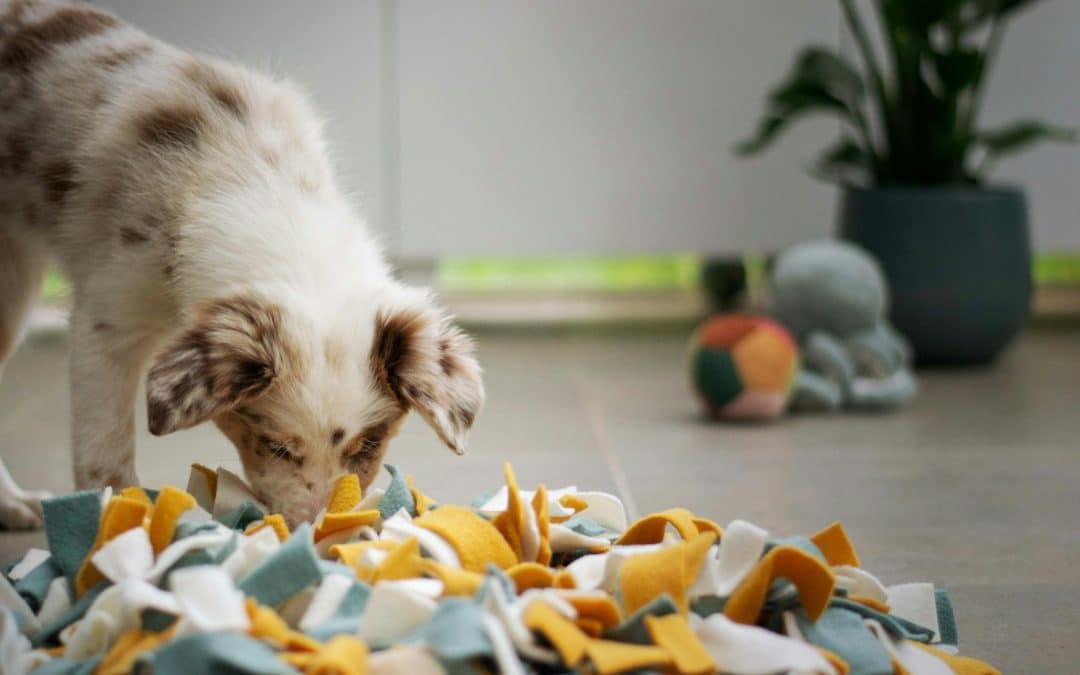

Our Delighted Guarantee
We’re so confident that you’ll be pleased with the experience, that we offer the When Hounds Fly Delighted Guarantee.
After completing all of your classes or lessons, if you feel you did not get the value you deserved, simply write to us at delighted@whenhoundsfly.com and tell us exactly how we missed the mark. We’ll make it right, and if we can’t, we’ll give you all your money back, period.

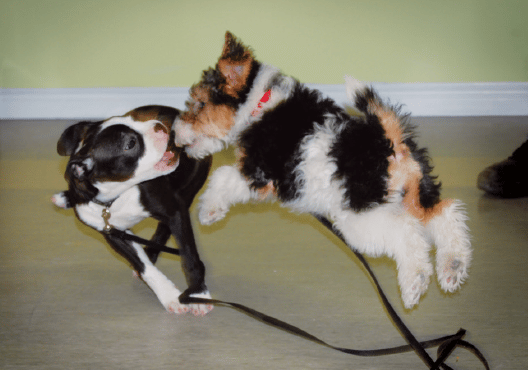
One of the best things offered by When Hounds Fly are puppy socials.
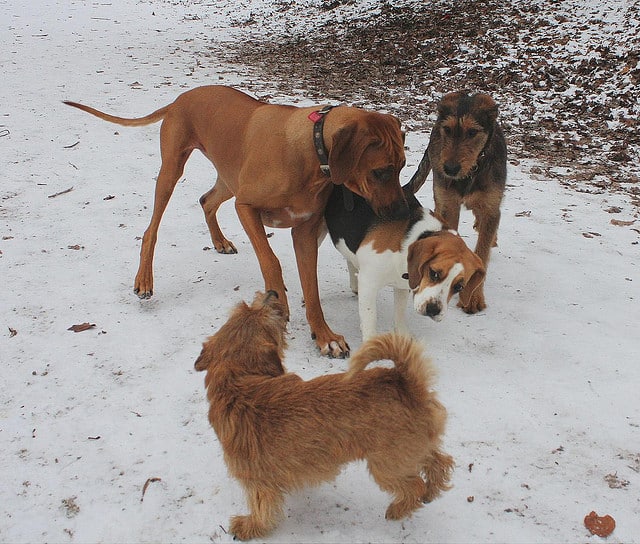
Meeting other puppies, who look and play differently than your own, in a safe and controlled environment, at the crucial period when they need exposure but don’t have all their vaccines — that is key!
Emerson, our Airedale Terrier, has been attending puppy socials since she was 11 weeks old. They’ve made such a difference in Emerson’s overall wellbeing. We’ve never been concerned for her health, we’ve found both locations to be extremely clean and we’ve really appreciated the staff support in understanding canine body language and behaviours.
It’s made us more comfortable in taking our dog to off-leash parks, having her interact with new dogs, and knowing when to give her breaks or end play. The puppy socials are not just for the pups, they allow the humans to build their confidence as well!
– Nabila and Emerson
Not sure what’s right for you?
Let's Review Your Needs!
Discover the perfect training path for you and your dog!
Take an Online Quiz
Answer a couple of questions and get a specific recommendation