
By Andre Yeu · Founder of When Hounds Fly
Every week, someone walks through our door at When Hounds Fly and says some version of the same thing: “We tried somewhere else first.” Sometimes they just didn’t click with the trainer. But sometimes, more often than I’d like, the story is worse. A traumatized puppy. A dog who flinches. An owner who left their first class in tears.
The hard truth is that dog training is completely unregulated in Canada and the United States. Anyone can call themselves a dog trainer tomorrow and start taking your money. No license required. No governing body checking their methods. That means the responsibility of vetting a trainer falls entirely on you.
Here’s how to do it right.
The biggest mistake people make: urgency and price
When a puppy is biting or a dog is destroying furniture, the instinct is to fix it immediately and cheaply. That urgency is completely understandable. But choosing a trainer based on who can come over fastest and who charges the least is how people end up in situations they deeply regret.
I’ve watched it play out too many times: a family brings their 10-pound Shih-tzu puppy to a training school because a cousin recommended it, no other vetting done, and they’re horrified in the first class to discover the trainer is using harsh leash pops and prong collars on their tiny dog. By the time they find us, there’s already damage to undo. This same urgency-driven thinking is why so many owners also fall for board and train programs, which we’ve written about at length and strongly caution against.
Price and convenience should be the last things you evaluate. Start with methods and expertise.
Do your homework on training philosophy first
The clients who tend to find us through their own research have often already read books like Karen Pryor’s Don’t Shoot the Dog or Jean Donaldson’s The Culture Clash. They come in knowing what positive reinforcement means, and they’re looking for credentials that reflect those values. When they walk into their first class, nothing surprises them.
That’s exactly where you want to be as a pet owner. Before you pick up the phone, spend an hour educating yourself on the difference between reward-based training and aversive methods. One thing worth understanding early: the scientific consensus on training methods is not actually divided. The research is clear. The more informed you are, the better your instincts will be when a trainer tries to sell you something.
Not all certifications are created equal
You’ll see a lot of letters after trainers’ names: CPDT-KA, KPA-CTP, IAABC, PPG. They’re not all the same.
We hold the CPDT-KA designation ourselves, and we support industry standardization, so we participate. But I’ll be honest with you: that certification requires only a written multiple-choice knowledge test. It measures what a trainer knows on paper. It doesn’t measure whether they can actually teach.
The credentials that carry more weight are the ones where a skilled trainer watched you work, in person, with real dogs, and certified you based on what they saw. The Karen Pryor Academy Certified Training Partner (KPA-CTP) program, for example, involves multiple weekend-long workshops where trainees practice live skills that are evaluated by experts. That’s a fundamentally different thing than a multiple choice exam.
Dog training is both art and science. Look for certifications that test the art.
What damage from a bad dog trainer actually looks like
This is the part of the conversation that doesn’t get talked about enough. Using aversive methods on a dog doesn’t just produce a dog that’s well-behaved out of fear. It can fracture the bond between a dog and their owner in ways that take months, sometimes years, to repair.
Tatiana came to us with her yellow lab puppy Daisy after going through a program at another school first. In her words:
“When I finally came to When Hounds Fly, I learned what force-free means, and I was really happy. When Hounds Fly was actually our second choice and our second school. I still regret, and will regret for the rest of my life, going to the other place first. But when we started classes at the other place, we were taught horrible, abusive techniques. I finished their classes, but I didn’t apply the techniques at home, and I knew I had to keep on training. Daisy had big trust issues with me that we are still working through.”— Tatiana & Daisy
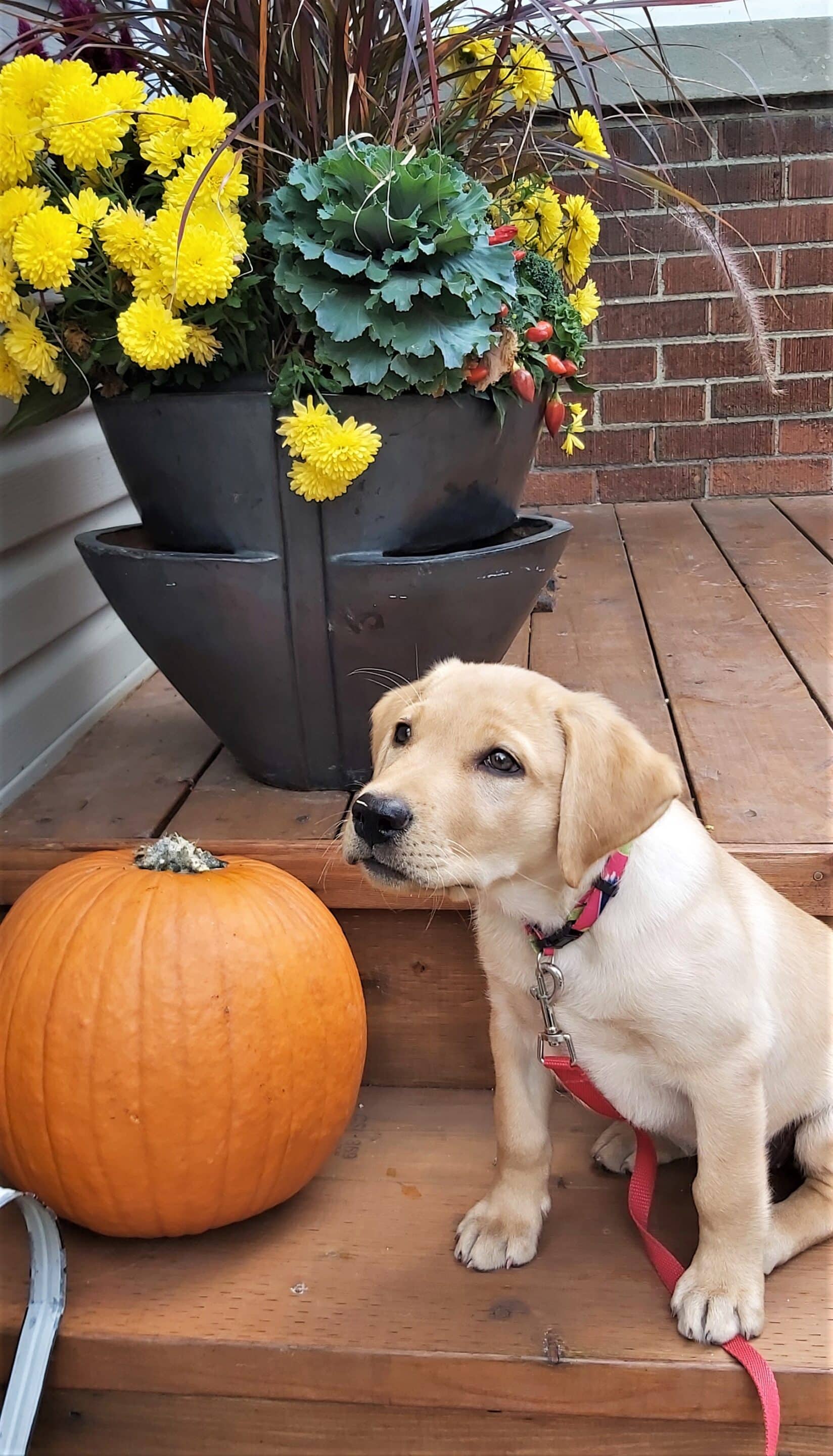
Tatiana is vegetarian. Her husband is vegan. The idea of using force on their puppy was completely at odds with who they are. Yet they found themselves in a class where that’s exactly what was being asked of them. It wasn’t obvious from the outside.
This happens constantly. And it’s entirely preventable. If your dog has already been through a difficult experience with a previous trainer, know that dogs who’ve had their trust damaged can recover with the right environment and the right support.
The question most people ask, and why it’s not enough
The standard advice is to ask a trainer: “What will you do if my dog does something wrong?” The idea is that this will expose whether they use aversive punishment, including leash corrections, scruff shakes, and e-collar stimulations.
The problem is that trainers who rely on these methods have learned to dance around this question. You’ll hear things like “We tailor our approach to each individual dog” or “We believe in holding the dog accountable.” These sound reasonable. They’re deflection.
The question you should actually ask
Instead of asking about technique, ask about values. Try this:
“What do you think is the purpose of owning a dog?”
This question is surprisingly revealing. Trainers who use abusive methods tend to see dogs the way someone might see a vehicle or a piece of equipment: something that’s supposed to perform specific functions, and that’s “malfunctioning” if it doesn’t. The dog exists to serve.
Trainers who approach the work with genuine care see it differently. Dogs are sentient beings. Humans chose to breed them, chose to create them, chose to bring them into our homes. The purpose of that relationship is to give that animal the best life possible, one where both the dog and the human genuinely fit each other’s needs. It’s a relationship, not a transaction.
You’ll know within a few sentences which worldview you’re dealing with. And once you know, the rest of the conversation is just details.
Taking your time to find the right trainer is an act of care for your dog and for yourself. You’re going to be in this relationship for a decade or more. It’s worth a few extra days of research to get it right. If you’d like to see what that looks like in practice at When Hounds Fly, we’re happy to show you.